Welcome to our new website!


The year is 1992. Around the water cooler, everyone is buzzing about the Toronto Blue Jays’ World Series win, a proud moment for Canadians. As colleagues return to their desks, you catch a glimpse of how they dressed for work. Looking back now, some details feel surprisingly familiar, while others clearly reflect the trends of the era.
1992 was not just memorable for baseball fans; it also marked a milestone for us. That year, we launched our direct sales division, Todd Uniforms, now Q Custom Clothing. Our showroom was part of the Quintex facility, in what is now the lunchroom. Photos from this period provide a window into early ’90s workplace apparel, showcasing both era-defining styles and timeless pieces that have endured for more than 30 years.
When you look at the photo of our original showroom, one thing becomes clear: many of these pieces still feel familiar. That is no coincidence. While workplace expectations have evolved, many foundational garments from the 1990s remain part of modern workwear apparel today but refined in fit, fabric, and function to meet current standards.
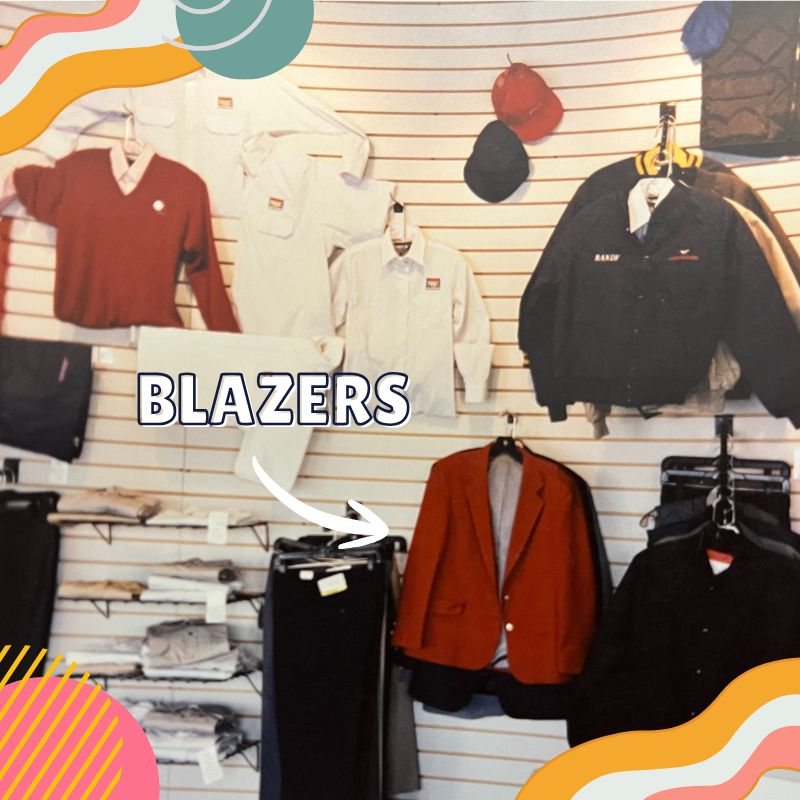
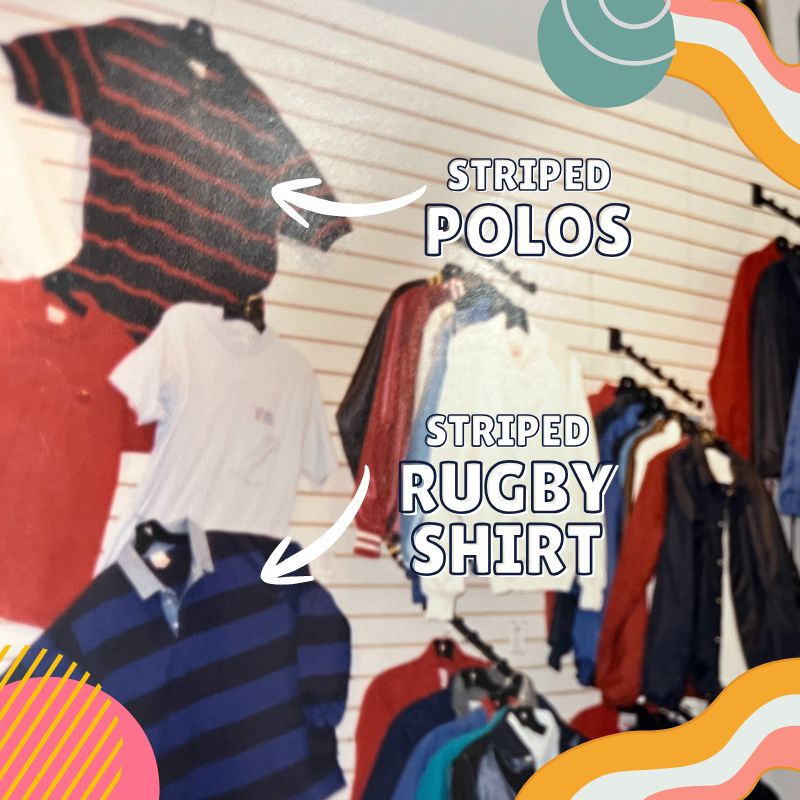
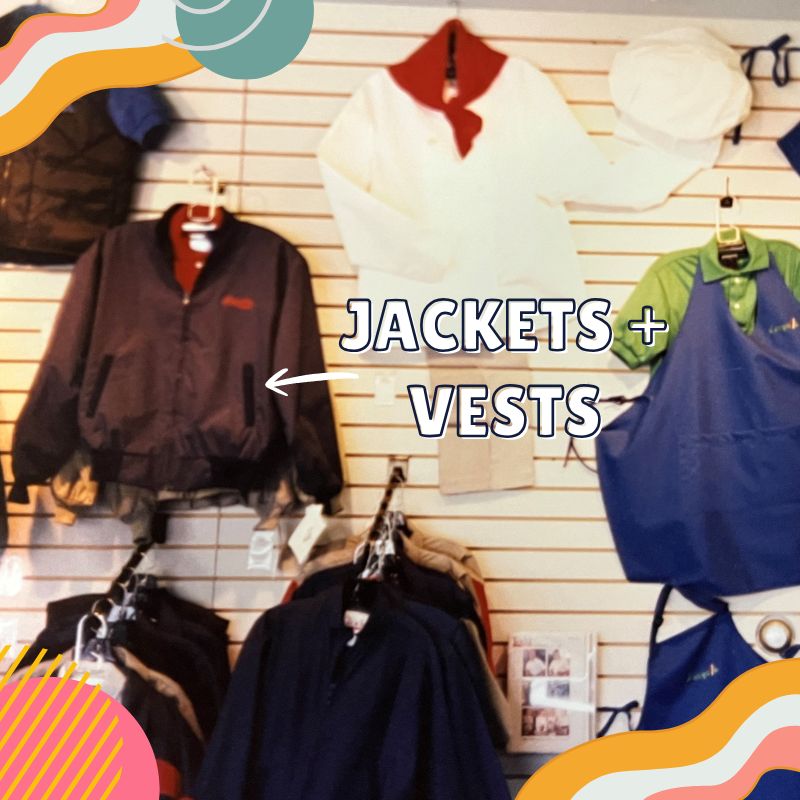
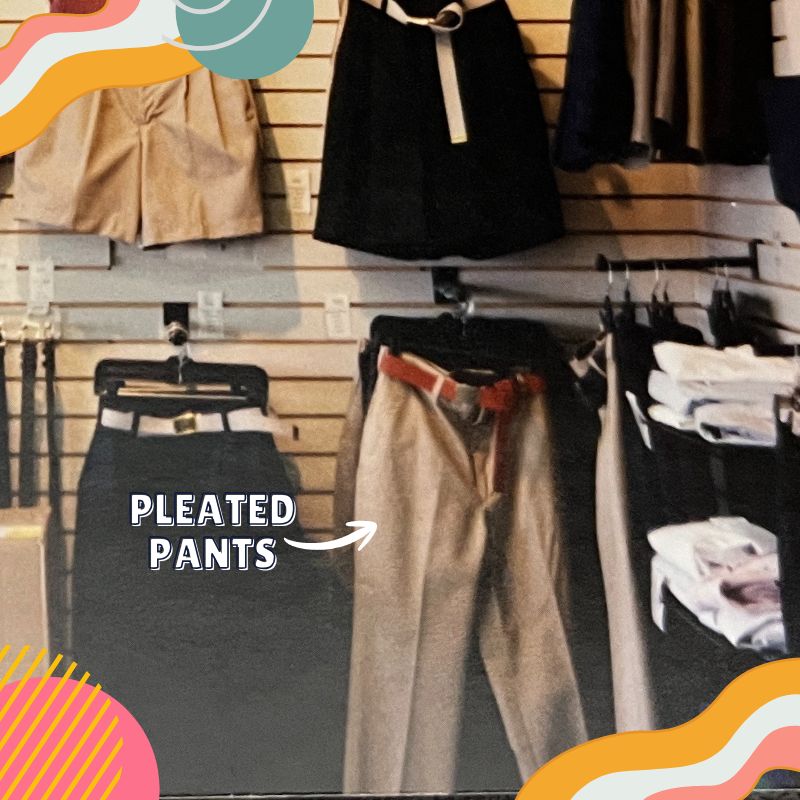
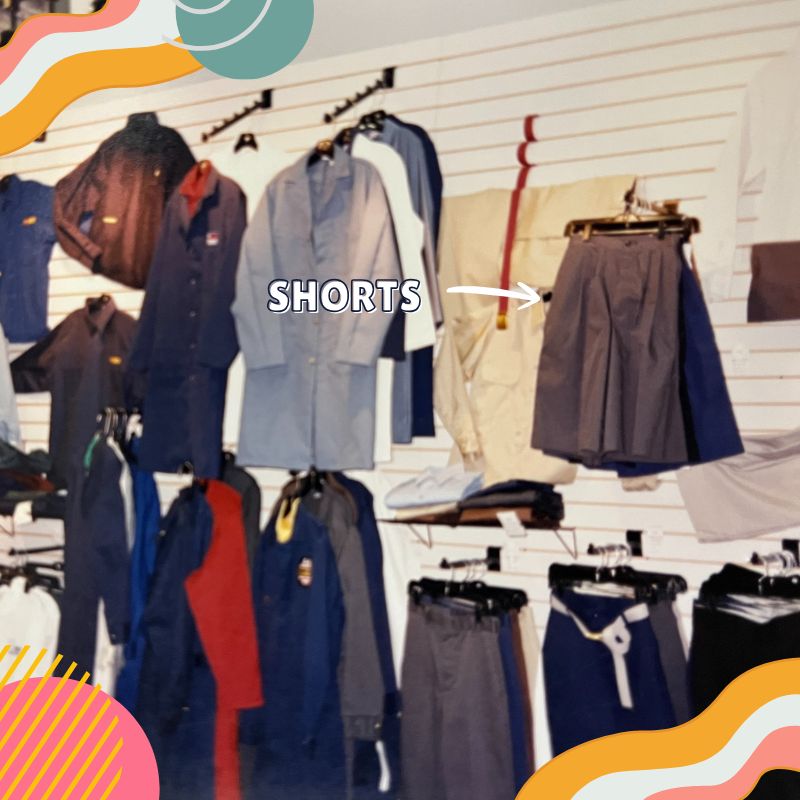
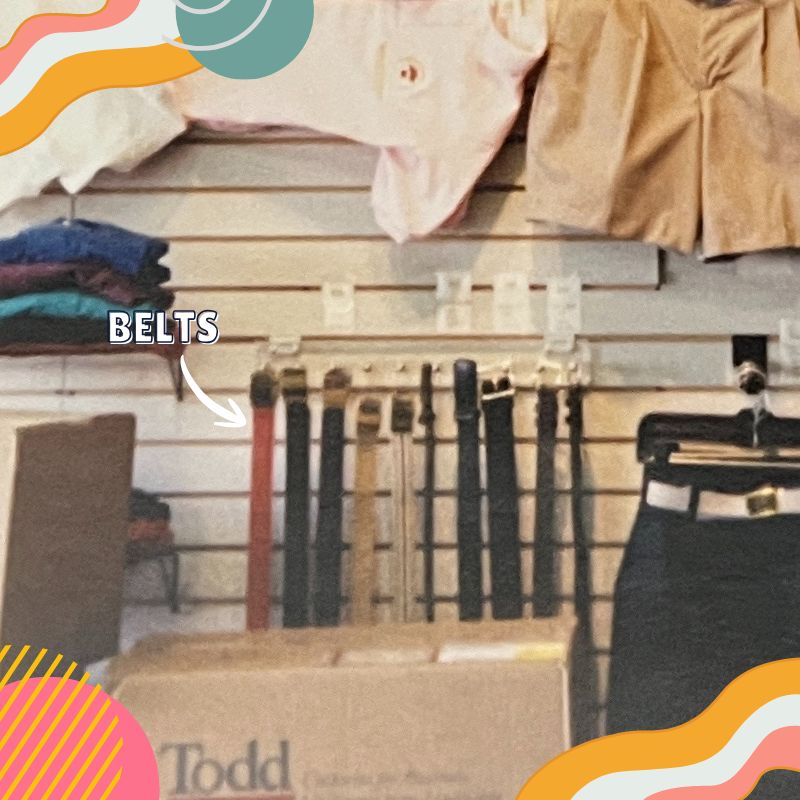
These pieces illustrate how some garments have stood the test of time while evolving to support the needs of modern workplaces.
Looking at the photos, you will notice the absence of heavy-duty coveralls or fluorescent jackets; a reflection of the limited availability of high-visibility (Hi-Vis) and flame-resistant (FR) garments at the time. While FR fabrics like NOMEX existed, they were costly and primarily reserved for specialized industries.
Over the past three decades, both workplace safety standards and apparel technology have advanced significantly. Today, high-visibility garments certified to CSA Z96 are common across Manitoba and Canada, featuring fluorescent backgrounds and reflective striping to maximize worker visibility. Modern FR apparel is more accessible, comfortable, and functional, enabling businesses to outfit their teams in garments that meet rigorous safety requirements while supporting day-to-day performance.

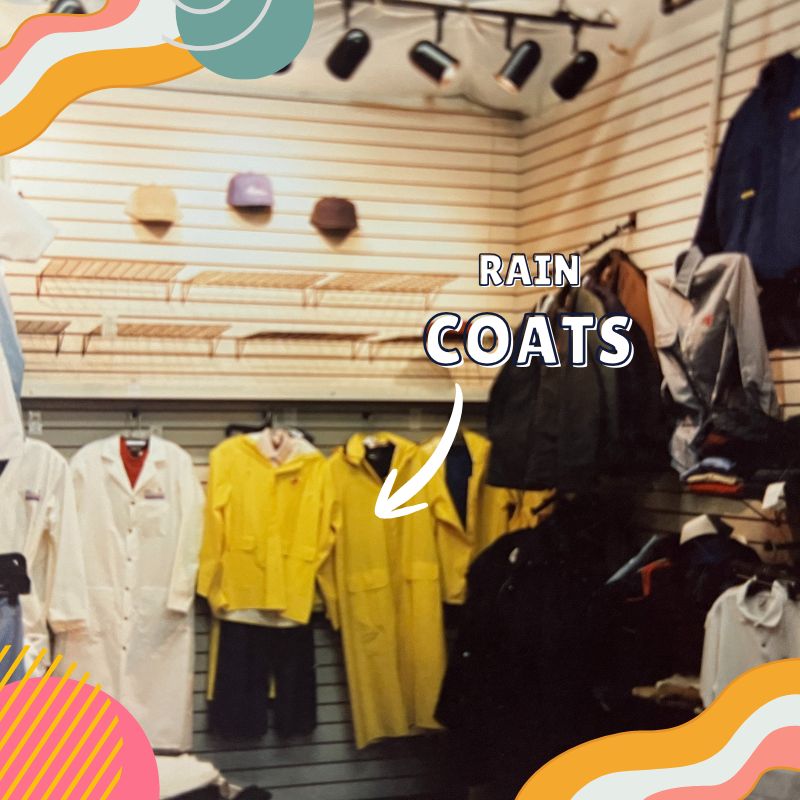
Workwear fabrics have advanced just as much as the designs themselves. In the early 1990s, most uniforms and branded apparel were made from straightforward woven fabrics such as cotton, polyester, or basic blends. These materials offered durability and function but lacked the performance features we now take for granted. The showroom photos even showcase classic yellow raincoats, essential at the time for protection against the elements. Today, most outerwear, such as coats, bomber jackets, and vests, feature built-in water-resistant coatings or breathable PU layers, providing protection from the elements without requiring a separate raincoat.
Advances in moisture-wicking and UV-protective fabrics have further enhanced comfort and performance. Moisture-wicking textiles, first developed for athletic wear in the late 1980s, became common in work apparel by the early 2000s, helping employees stay comfortable during active or warm-weather tasks. UV-protective fabrics emerged in the mid-to-late 1990s, offering sun protection for those working outdoors.

In the early 1990s, managing workwear and branded apparel was a manual, time-intensive process. Orders, inventory tracking, and custom branding relied on paper forms, phone calls, or faxes, with limited ability to standardize or coordinate across multiple locations.
Today, digital technology has transformed how companies manage their apparel programs. Online platforms and ordering tools enable businesses to customize, select, and track workwear and branded apparel with ease. From garment types, sizes, logos and artwork, these systems streamline what was once a complex and error-prone process.
The adoption of digital management tools delivers greater efficiency, accuracy, and visibility, ensuring that employees receive the right apparel when they need it.
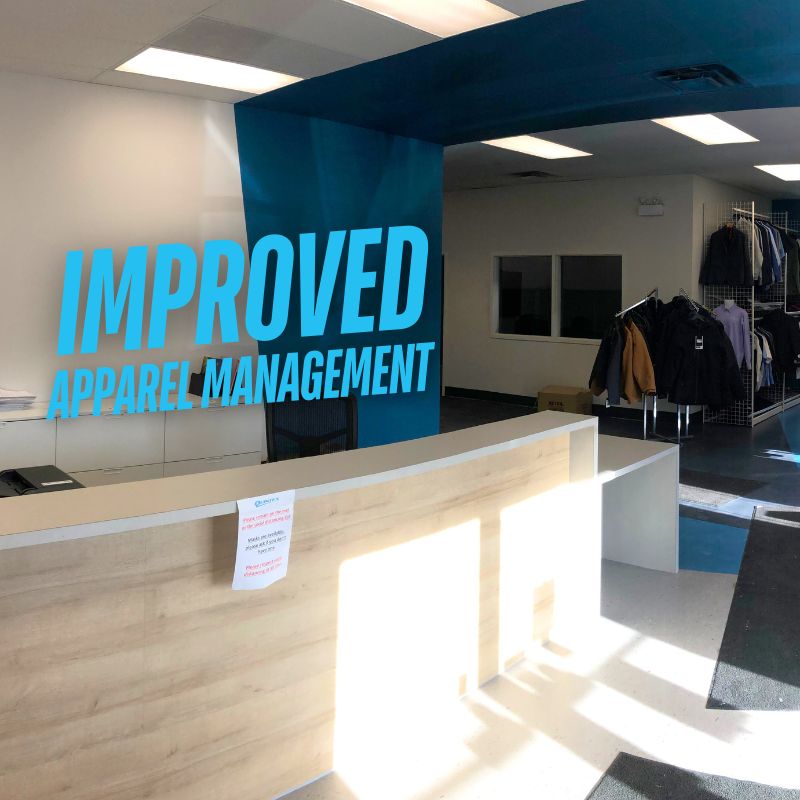
The 1990s Todd Uniforms showroom provides a clear snapshot of how workwear and branded apparel have evolved over the past 30 years. Fabrics, silhouettes, and styles have advanced, safety and performance features have improved, and digital tools have transformed how apparel is managed.
Some items remain staples in today’s wardrobes, thoughtfully updated to meet modern professional standards. By embracing these changes, companies can ensure their teams are equipped with apparel that support both performance and confidence, blending timeless pieces with modern functionality.
Whether you are refreshing your team’s wardrobe or planning branded apparel for events, Q Custom Clothing can help you select garments that are durable, practical, and designed to support your team’s success. Contact us today.
